 Reviews



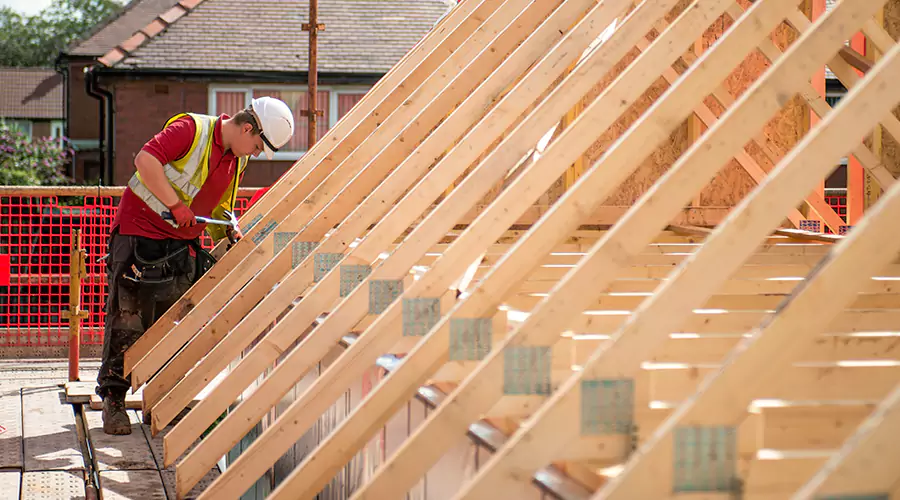
Roof decking is the solid layer of material installed over the roof framing and under the roofing system. It creates the base that supports shingles, underlayment, flashing, vents, and other roof materials. Even though homeowners usually do not see roof decking from the outside, it plays one of the most important roles in keeping the roof strong, stable, and weather-resistant during roof repair and roof restoration projects.
If the roof decking is weak, rotted, soft, or damaged, the entire roofing system can fail. Shingles may not stay secure, leaks can spread faster, and the roof may lose its ability to protect the home properly. This is why roof decking should always be checked during roof replacement, major roof repair, or storm damage inspection.
Quick Answer: What Is Roof Decking?
Roof decking, also called roof sheathing, is the structural surface attached to the rafters or trusses of a home. It sits between the roof frame and the visible roofing materials. Most modern homes use plywood or oriented strand board, often called OSB, for roof decking.
The roof decking provides a firm surface for the roofing system and helps distribute weight across the roof structure. Without solid decking, shingles and underlayment would not have a stable base.
Roof decking supports:
- Shingles or other roof covering
- Roof underlayment
- Flashing areas
- Roof vents
- Skylights
- Snow, rain, and wind loads
- Workers during roof installation or repair
In simple terms, roof decking is the foundation of your roof system.
Why Roof Decking Is So Important?
Roof decking matters because it connects the roof structure to the outer roofing materials. A roof can only perform well if the base under the shingles is strong and secure.
It Supports the Roofing System
Shingles, metal panels, tiles, and other roofing materials need a stable surface. Roof decking gives fasteners something solid to attach to. If the decking is soft or damaged, nails may not hold properly, and roofing materials can loosen during wind or storms.
It Helps Protect the Home From Water Damage
Roof decking works with underlayment and shingles to help keep water out. If moisture reaches the decking and stays there, the wood can rot. Once decking begins to rot, leaks can spread into the attic, insulation, ceilings, and walls.
It Adds Structural Strength
The roof deck helps spread weight evenly across the roof framing. This is important during heavy rain, snow, high winds, or when roofing contractors are working on the roof. Weak decking can create soft spots that make the roof unsafe.
It Affects Roof Replacement Quality
A new roof installed over damaged decking may not last as long as it should. If rotten decking is not replaced, the new shingles may fail early. This is why reputable roofers inspect the decking after old materials are removed.
Common Types of Roof Decking
Most residential roofs use wood-based decking materials. The right type depends on the home, roof structure, local building codes, and roofing material.
Plywood Roof Decking
Plywood is made from thin layers of wood bonded together. It is strong, stable, and commonly used in residential roofing. Plywood handles fasteners well and provides a reliable surface for shingles.
OSB Roof Decking
OSB stands for oriented strand board. It is made from compressed wood strands and adhesive. OSB is widely used because it is cost-effective and strong enough for many roofing systems.
Plank Decking
Older homes may have plank decking, which uses individual wood boards instead of large sheets. Plank decking can still work if it is in good condition, but gaps, rot, or movement may require repair before a new roof is installed.
Signs of Damaged Roof Decking
Roof decking damage is not always visible from the ground. Many signs appear inside the attic or during a roof inspection. Homeowners should pay attention to warning signs, especially after leaks or storm damage.
Common signs of roof decking damage include:
- Soft or spongy areas on the roof
- Sagging roof sections
- Water stains in the attic
- Mold or mildew smells
- Dark spots on wood decking
- Ceiling stains inside the home
- Repeated roof leaks
- Loose or lifting shingles
- Nails backing out of shingles
- Visible daylight through the attic roof boards
If you notice any of these signs, schedule a roof inspection before the damage spreads.
What Causes Roof Decking to Rot or Fail?
Roof decking usually fails because of moisture. When water gets under the shingles and cannot dry properly, the wood can weaken over time.
Common causes include:
- Long-term roof leaks
- Damaged or missing shingles
- Poor attic ventilation
- Ice dams in colder climates
- Clogged gutters
- Damaged flashing
- Poor roof installation
- Storm damage
- Condensation in the attic
Poor ventilation is a major issue because trapped heat and moisture can affect the underside of the roof deck. Even if the shingles look fine, moisture inside the attic can weaken decking over time.
Is Roof Decking Replaced During Roof Replacement?
Roof decking is not always replaced during a roof replacement. If the decking is dry, solid, and meets code requirements, it may stay in place. However, damaged sections should be replaced before new roofing materials are installed.
During a roof replacement, contractors remove the old shingles and underlayment. This exposes the decking and allows the roofer to inspect it closely. Any rotten, soft, or broken decking should be replaced before installing new underlayment and shingles.
Replacing damaged decking during roof replacement helps prevent future leaks and gives the new roofing system a stronger base.
Why You Should Not Ignore Damaged Decking?
Ignoring damaged roof decking can lead to expensive problems. The roof may look repaired from the outside, but the weak base underneath can continue to fail.
Damaged decking can cause:
- New shingles to loosen
- Roof leaks to return
- Mold growth in the attic
- Ceiling and drywall damage
- Poor nail holding strength
- Unsafe roof conditions
- Shorter roof lifespan
A roof is only as reliable as the structure underneath it. If the decking is compromised, the roof cannot perform the way it should.
Roof Decking Inspection Checklist
- Check the attic for stains or moisture
- Look for sagging areas on the roofline
- Watch for repeated leaks in the same area
- Ask your roofer to inspect decking after tear-off
- Replace soft, rotten, or broken decking sections
- Review attic ventilation during roof work
- Keep photos of damaged decking for records
- Do not install new shingles over weak decking
This simple checklist can help homeowners make better decisions during roof repair or replacement.
Final Thoughts
Roof decking is the structural base that supports your roofing system. It may not be visible from the outside, but it plays a major role in roof strength, leak protection, shingle performance, and long-term durability.
If the decking is damaged, rotten, or weak, the roof cannot protect your home properly. During roof repairs or replacement, make sure the decking is inspected carefully. Replacing damaged decking at the right time can prevent leaks, improve roof performance, and help your new roof last longer.